
Singapore Today: Small in Size, Global in Influence
Singapore also returned to first place in the 2026 IMD World Competitiveness Ranking, reflecting the strength of its institutions, infrastructure and business environment
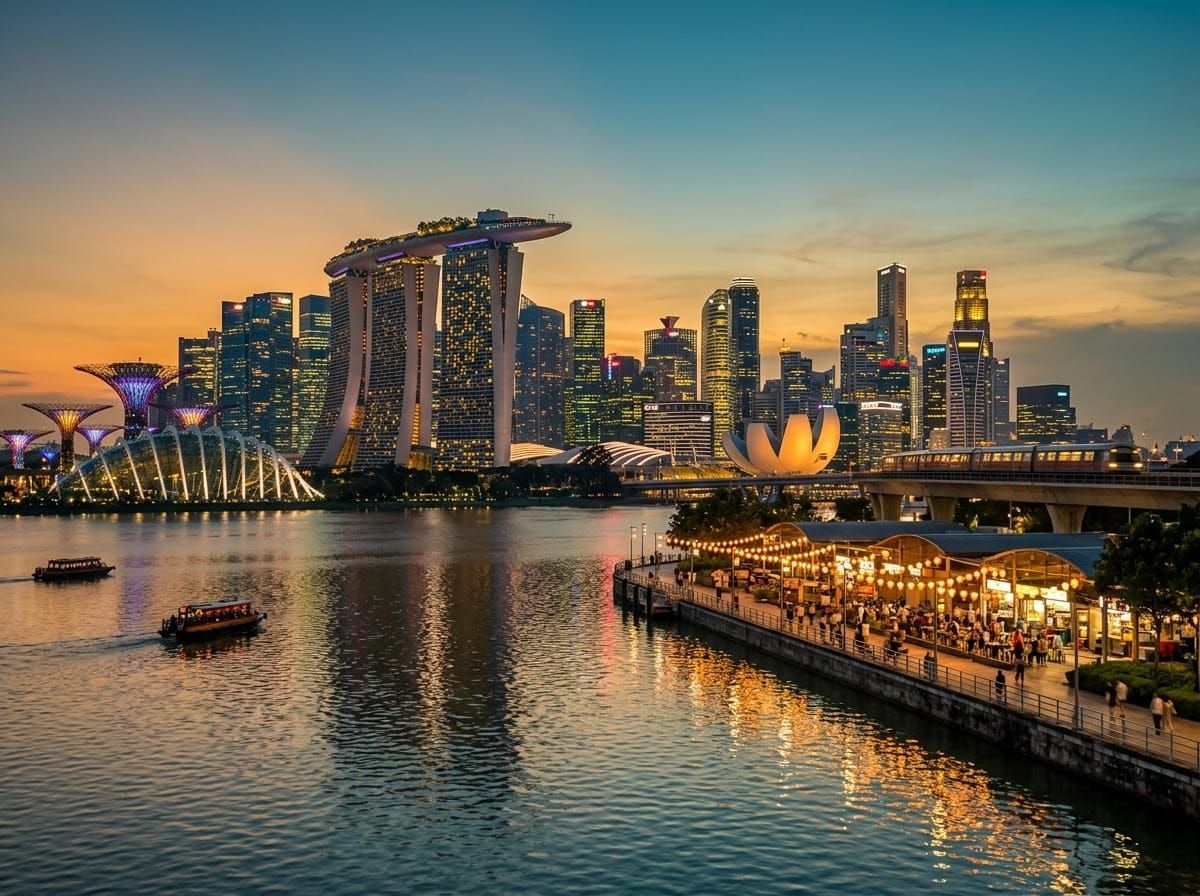
Singapore occupies just 744.3 square kilometres, yet its influence reaches far beyond its physical size. In 2026, it remains a major centre for finance, trade, logistics, technology, advanced manufacturing and regional business. Its airport connects continents, its port handles an extraordinary volume of global commerce, and multinational companies continue to place their Asia-Pacific leadership teams there. This position was not created overnight. It is the result of six decades of disciplined planning, institutional stability and an ability to turn geographical vulnerability into strategic advantage. The economy continues to demonstrate resilience. Singapore recorded real GDP growth of 5.0% in 2025, supported by manufacturing, wholesale trade, finance and AI-linked semiconductor demand. In August 2026, the Ministry of Trade and Industry raised its full-year growth forecast to between 4.5% and 5.5%. Singapore also returned to first place in the 2026 IMD World Competitiveness Ranking, reflecting the strength of its institutions, infrastructure and business environment. Foreign companies are still choosing Singapore as a regional base. The number of foreign headquarters operating in the country increased from approximately 770 in 2019 to around 1,030 in 2024. The attraction is not low cost. Singapore competes through predictability, legal certainty, efficient regulation, strong connectivity and access to Southeast Asia. Businesses generally know what the rules are, how they will be applied and what is expected of them. For international professionals, the opportunities remain compelling but increasingly selective. Singapore offers strong salaries in finance, technology and specialist sectors, with English serving as the principal language of business. However, Employment Pass applicants must meet qualifying salary requirements and, unless exempt, secure enough points under the COMPASS framework. The system considers salary, qualifications, workforce diversity and an employer’s contribution to local employment. Singapore is not closing itself to foreign talent, but it is becoming clearer about the calibre and relevance of the talent it wants. The startup ecosystem follows a similar philosophy. Singapore welcomes ambitious founders, especially those working in innovation, proprietary technology and scalable regional businesses. Startup SG programmes provide grants, mentorship, technology support and equity co-investment. A further S$1 billion was committed to Startup SG Equity in Budget 2026. Foreign founders should nevertheless understand that incorporating a company does not automatically create a right to live and work in Singapore. The EntrePass is intended primarily for venture-backed or innovative companies that satisfy specific criteria. Life in Singapore carries a substantial premium. Expatriate cost-of-living rankings regularly place it among the world’s most expensive cities. Car ownership is particularly costly because buyers must first obtain a ten-year Certificate of Entitlement. In July 2026, the Category A premium for smaller cars reached a record S$129,000, before the price of the vehicle itself. Yet cost alone does not explain the Singapore experience. The MRT is clean, extensive and reliable. Public spaces are safe, government services are efficient, and tropical greenery has been deliberately integrated into the urban landscape. Hawker centres still provide affordable meals within minutes of luxury hotels and restaurants. Multilingual neighbourhoods, cultural diversity and an international outlook make the country accessible to people arriving from many parts of the world. Healthcare is another important strength, although financial access differs by residency status. Citizens and permanent residents benefit from public subsidies, MediSave and MediShield Life. Foreign professionals generally depend on employer-provided or private medical insurance and should examine their coverage carefully. The medical system may be highly capable, but treatment without adequate insurance can still be expensive. Tourism also illustrates Singapore’s ability to generate value beyond its size. The country welcomed 16.9 million international visitors in 2025 and recorded an unprecedented S$32.8 billion in tourism receipts. Marina Bay, Changi Airport, hawker culture, museums, integrated resorts, tropical nature and major international events all contribute to its appeal. The Formula 1 Singapore Grand Prix, the championship’s first night race when introduced in 2008, will remain on the calendar through 2028. Singapore is not without challenges. Its population is ageing, living costs remain high, global trade tensions can quickly affect its open economy, and competing hubs are becoming more aggressive. Its centralised governing style and restrictions on some forms of political expression will not suit everyone. Social harmony, while impressive, remains something the country actively manages rather than takes for granted. The honest conclusion is that Singapore is neither a flawless model nor merely an expensive corporate hub. It is a highly organised, multicultural and globally connected nation that rewards preparation, specialised ability and scalable ambition. For professionals, founders and families whose priorities align with its strengths, it can offer an exceptional platform. For others, the costs and entry requirements may outweigh the advantages. The complete Singapore Today report, including detailed analysis, current statistics, official sources and sector-by-sector observations, is available in the attached PDF.